Ready to Wear the Red & Yellow?
Lifesaving in North Queensland is very different to lifesaving “down south”.
One significant difference is that due to the influence of the Great Barrier Reef, there is no or very little surf at Mission Beach. While we miss out on the opportunity to wax up our boards and crack a few waves, we are blessed with wonderful sandy beaches, warm sea temperatures and conditions that are ideal for families to safely enjoy the tropical climate and the amazing aquatic environment.
In North Queensland surf lifesavers patrol from April to November each year, which is almost exactly opposite to the southern clubs whose patrol season is from October to March.
Like lifesavers throughout Australia our members have a wide range of skills and are trained to operate specialised equipment, including IRB’s (Inshore Rescue Boats, commonly referred to as Rubber Ducks), drones, oxygen resuscitation equipment and AED’s or defibrillators, to carry out aquatic search and rescue, resuscitation and first aid.
In addition, they undertake specialised training to meet the unique challenges that arise from a day at the beach in tropical North Queensland including the prevention and treatment of jellyfish stings.
Commonly known as Stingers there are numerous species of jellyfish that inhabit Australian coastal waters and of particular concern in North Queensland during the months of May to November, are Chrionex Fleckeri or Box Jellyfish and Irukandji, the stings from which can be fatal.
And there are Crocs.
Although lifesaving in FNQ Is different in some ways we share a common goal with our southern counterparts which is for zero preventable drownings on our patrolled beach. In this we are guided by our values of safety, trust, community, leadership, respect, network and conscious of the age-old motto of surf lifesaving, “Vigilance and Service”.
There are 315 clubs affiliated with Surf Life Saving Australia and over 198,000 members making it the largest volunteer movement of its kind in the world. Mission Beach SLSC is just a small part of the Australian surf lifesaving family and this year as we pause to reflect on the past and acknowledge and thank the Club’s founders and the many members who have contributed, we do so with determination and commitment to continue their great work.
Getting involved has many benefits such as:
Life skills
Friendships
Career Opportunities
Fitness
Confidence in the water
First Aid Skills
Family Involvement
Building Community & Connections
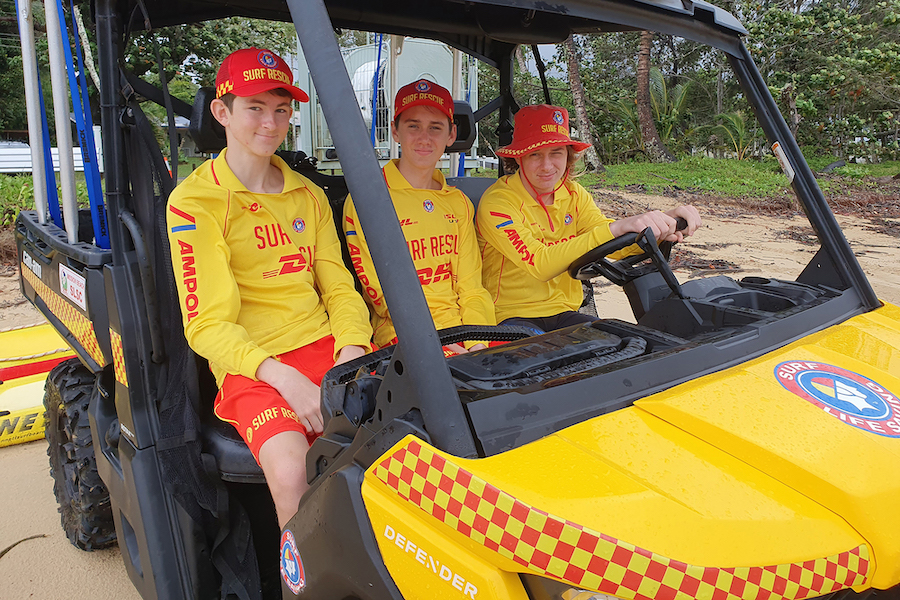
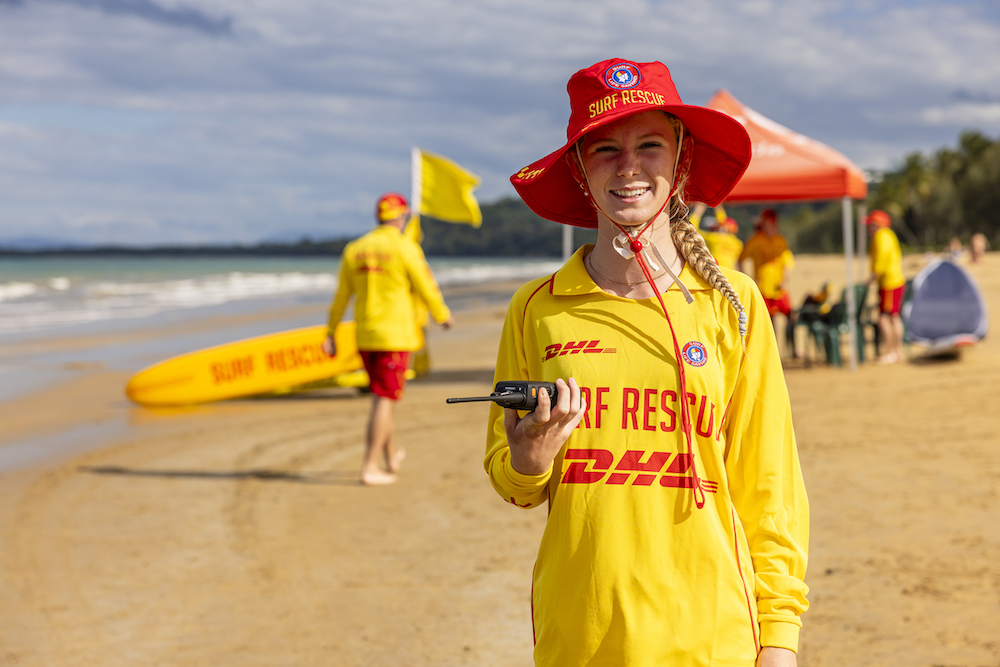
Opportunities at the Club
Observers
Wanted to wear the red and yellow but aren’t confident in the water? You can still make a difference by becoming an Observer. Our Observers Course trains you to spot dangers, identify swimmers in trouble, and play a key role in beach patrols. In just 1.5 to 2 hours, you’ll learn to assess surf conditions, monitor beachgoers, and help identify risks—all without needing to get in the water. Join a team dedicated to saving lives and become the eyes on the beach today.
Radio Operator
Communication is the lifeline of every successful rescue. As a patrolling member providing essential communication support, you’ll be the vital link between the beach and rescue teams. Start by completing our Observer Course, followed by the Radio Operators Certificate.
Our Radio Operator Course trains you to guide lifesavers to where they’re needed most, all without getting in the water. Your voice and expertise can make a real difference in critical moments. Join a team dedicated to saving lives by staying connected. Be the voice behind the rescue—become a Radio Operator.
First Aid Officer
Be ready to make a difference when it matters most. First Aid Officers provide essential medical support in emergencies. It’s a great way to wear the red and yellow, even if you’re not confident in the water.
Surf Rescue Certificate (13 – 15 years)
The SRC is a stepping stone to the Bronze Medallion and the minimum standard for water safety at Nippers and similar events. The course typically runs over 8 weeks, with theory on a weeknight and practical sessions on the weekend. Specific schedules may vary based on trainer availability and conditions.
To gain your Surf Rescue Certificate (SRC), you need to:
- Be a financial member of a Surf Life Saving Queensland (SLSQ) club.
- Be at least 13 years old.
- Complete a 200m unaided swim in 5 minutes or less (goggles allowed) in a pool or open water.
Bronze Medallion
The Bronze Medallion equips you with essential skills in surf awareness, rescue techniques, radio communication, CPR, and first aid, preparing you for beach patrols, rescues, and ensuring public safety.
To gain your Bronze Medallion, you need to:
- Be a financial member of an SLSQ Life Saving Club.
- Be at least 15 years old by the final assessment date.
- Complete a 400m unaided swim in 9 minutes or less (goggles allowed) in a pool or open water.
The course typically runs over 6-8 weekends or shorter intensive sessions, with schedules varying by trainer availability and conditions. The Bronze Medallion is more than a qualification—it’s a badge of honour. Join a community of lifesavers who are committed to protecting our beaches and saving lives. Rise to the challenge and protect your community.
NIPPERS
Nippers is a program tailored for 5–14-year-olds and their families which fosters a dynamic environment for families to have fun and friendship and gain invaluable life skills.
Through engaging activities centred around surf safety, lifesaving techniques, and ocean skills, Nippers not only builds essential survival skills but also develops a level of camaraderie and teamwork.
These future lifesavers embark on a journey of personal development, instilling qualities of leadership that extend beyond the shoreline.
Nippers is more than a program; it is a community where lifelong friendships are formed, and the thrill of the surf is matched only by the joy of shared experiences.